Furniture Pick-Up in France: Reliable Local Help for Homes, Flats, Offices, and Businesses
Furniture Pick-Up in France for Everyday Moves, Clear-Outs, and Space Reclamation

If you are looking for Furniture Pick-Up in France, you are probably dealing with something practical and time-sensitive: an old sofa that no longer fits your living room, a wardrobe that needs to be removed before renovation, or a full office clear-out after a relocation. Whatever the reason, a local furniture pick-up service helps you remove bulky items without turning the day into a logistical headache.
Across France, homes and businesses often face different access challenges than people expect. Paris apartment staircases, narrow village streets in Provence, underground parking in Lyon, historic buildings in Bordeaux, or top-floor flats without lifts in Marseille can all make bulky furniture removal difficult. A properly organised local team understands these conditions and comes prepared for them.
That is why furniture pick-up is not just about lifting heavy pieces. It is about saving time, reducing stress, protecting walls and floors, and making sure the job is handled in a practical way. Whether you need one item removed or several rooms cleared, a professional team can adapt to your schedule, your property type, and your access constraints.
What a Furniture Pick-Up Service Can Help With

A furniture pick-up service is designed to collect large, bulky, or unwanted items from your property and remove them efficiently. In many cases, customers contact a local team when the item is too heavy for personal transport, too awkward for a small car, or too difficult to move through stairs, tight hallways, or shared entrances.
Typical items collected during a furniture pick-up in France include sofas, beds, mattresses, wardrobes, dining tables, office desks, chairs, cabinets, shelving, sideboards, bookcases, coffee tables, and garden furniture. Some services also handle broken furniture, damaged flat-pack items, and items left behind after a tenancy ends.
The service is useful for private households, landlords, estate managers, retailers, offices, hotels, restaurants, and workspaces. If you are preparing a property for new occupants, replacing old furnishings, or reclaiming storage space, furniture collection can be arranged to keep the process moving smoothly.
Why Local Knowledge Matters in France
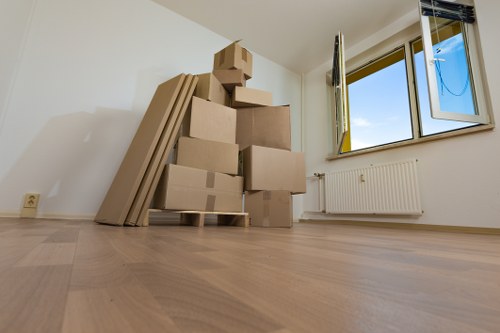
France has a wide variety of property layouts, from compact city apartments to larger suburban homes and commercial premises in industrial zones. Local knowledge matters because a furniture collection team needs to know how to work around building access, parking rules, loading zones, and restricted entry times. In some neighbourhoods, a collection can be straightforward. In others, careful planning makes all the difference.
For example, in dense urban areas such as Paris, Lille, Toulouse, or Nice, furniture removal may require timed access, advance parking arrangements, or extra care when manoeuvring items around stairwells and lift dimensions. In coastal towns and older centres, narrow entrances, cobblestone streets, and shared courtyards can add another layer of difficulty.
Local teams are also more likely to understand the pace and expectations of the area. They know when weekday traffic can slow collection, when building managers prefer visits, and how to plan a furniture pick-up around apartment rules or business opening hours. That practical awareness saves time for customers and helps avoid unnecessary disruption.
Who Uses Furniture Collection Services?
Furniture pick-up is used by many different customers, and the reasons are not always the same. Some want a single item collected quickly. Others need a full property cleared before sale, renovation, or handover. In France, the service is commonly requested by:
- Homeowners replacing old or damaged furniture
- Renters who need to clear bulky items before moving out
- Landlords preparing a property for new tenants
- Estate agents managing pre-sale presentation
- Offices upgrading desks, chairs, and storage units
- Shops, cafés, and restaurants refreshing their interiors
- Hotels and furnished rentals replacing worn items
- Property managers dealing with leftover furnishings
Each type of customer has different priorities. A homeowner may want a quick appointment and careful handling inside the flat. A business may need collection outside opening hours. A landlord may need the furniture removed efficiently between tenancies. A good service can adapt to all of these needs.
For many people, the main benefit is simply peace of mind: the item is removed without them having to borrow a van, recruit helpers, or spend the day trying to move a heavy sofa through a stairwell.
What Is Usually Included in the Service?

Every furniture collection provider works a little differently, but a professional service usually includes a clear sequence from arrival to removal. The aim is to make the process easy for the customer while ensuring the furniture is handled responsibly and safely.
Common inclusions
- Collection of bulky furniture from homes or business premises
- Loading and lifting by trained staff
- Handling of items from ground floors, upper floors, basements, or storage areas
- Removal of single items or multiple pieces
- Careful manoeuvring through hallways, lifts, and staircases where possible
- Transport away from the property after collection
- Sorting for reuse, recycling, or other appropriate routing where applicable
Some teams can also help with light dismantling if an item needs to be separated to fit through a doorway or exit route. This can be especially helpful with large wardrobes, bed frames, bulky cabinets, or office furniture assembled in place.
Important: not every item or access situation is the same. If you have unusual pieces, very tight access, or a mix of furniture and other non-furniture items, it is best to describe the situation clearly when requesting a quote so the team can prepare properly.
How Furniture Pick-Up in France Typically Works

The process is usually simple, which is one reason many customers choose furniture collection instead of handling removal themselves. While exact steps may vary, a typical service follows a practical pattern designed to reduce delays and avoid confusion on the day.
- Initial enquiry – You explain what needs to be removed, where the property is located, and whether there are stairs, lifts, parking constraints, or other access details.
- Service assessment – The team considers the item type, quantity, access conditions, and timing needs.
- Quote or estimate – You receive a price indication based on the job details provided.
- Appointment scheduling – A collection time is arranged that suits your availability and, where relevant, building access rules.
- Arrival and collection – The team arrives, confirms the items to be removed, and carries out the pick-up.
- Completion – The furniture is taken away, and the property is left ready for the next stage of use.
This approach is helpful for people who want clarity. There is no need to wonder how to transport a sofa in a hatchback or whether the item will fit through the lift. A local collection service brings the right planning, equipment, and manpower for the task.
Residential Furniture Pick-Up Across French Properties
Flats, houses, villas, and shared buildings
Residential furniture removal in France often involves more than simply taking items out of a room. In apartments, the challenges may include stairs, lifts with limited capacity, corridor bends, shared entry systems, and neighbour considerations. In houses and villas, the issue may be garden access, garage storage, or moving furniture from an upstairs bedroom or basement room.
Many customers request collection when replacing a sofa, changing bedroom furniture, or clearing a room for renovation. Others need help after a move, when certain pieces no longer suit the new layout or simply do not fit the new property. A professional team can remove the pieces that are no longer needed so you can focus on arranging the space that remains.
For furnished rentals and second homes, furniture collection is also useful between guests, before a sale, or during a refurbishment. In seasonal areas and tourist regions, landlords and property owners often need an efficient service that fits tight turnaround windows. That is where a responsive local team becomes especially valuable.
Useful when you need to:
- Clear out old or broken furniture before new items arrive
- Prepare a property for sale, letting, or renovation
- Remove furniture after a move
- Free up storage space in a basement, garage, or spare room
- Handle bulky items that are too difficult to move alone
Commercial Furniture Pick-Up for Offices and Business Premises
Practical support for workplaces and customer-facing venues
Furniture collection is also important for commercial customers in France. Offices, shops, cafés, hotels, and restaurants regularly replace seating, desks, counters, storage units, and meeting furniture. Sometimes the reason is a refurbishment. In other cases, it is a change in layout, a move to a new location, or the replacement of damaged items.
Business clients usually need a service that is punctual, organised, and discreet. Collections may need to happen outside peak hours, before opening, after closing, or at an agreed time that does not interfere with staff and customers. A local team can plan the visit accordingly and help keep disruption to a minimum.
Office furniture removal can involve heavier items than many people expect, especially with large desks, conference tables, filing units, or reception furniture. In some buildings, there may also be lift bookings, security checks, or loading area restrictions. A good service accounts for these details and works around the site rather than creating extra complications.
Access, Parking, and Building Challenges in France
Why careful planning matters before collection day
One of the biggest differences between a simple furniture pick-up and a frustrating one is access. Many French properties, especially in city centres and older districts, have specific access limitations that affect how and when furniture can be removed. These may include narrow streets, no direct parking outside the building, restricted loading bays, and staircases that are too tight for larger items.
Before booking, it helps to think about the practical details: Is there a lift? Is the furniture on the fifth floor? Can a van stop nearby? Is the item already dismantled? Can the building manager provide access for a service vehicle? These questions are not about making things difficult; they simply help the team prepare and avoid delays.
If you live in a town centre, a gated residence, or a building with shared access, mention it early. The same applies if the item is in a cellar, attic, or courtyard. In France, where many buildings are older or have mixed-use access arrangements, this information can make the difference between a smooth collection and a complicated one.
How to Prepare for Furniture Pick-Up
A simple checklist for a smoother collection
A little preparation can make furniture collection much easier. You do not need to move heavy items yourself, but there are several things you can do to help the appointment run smoothly and reduce the risk of delays.
Preparation checklist
- Identify exactly which items need to be removed
- Check whether items need to be dismantled before collection
- Measure doorways, lifts, or stair access if the item is especially large
- Clear small objects away from the furniture path
- Reserve parking or loading access if required by your building
- Inform the building manager or concierge if needed
- Tell the team about any fragile floors, walls, or tight corners
- Keep pathways free so staff can work safely
Even when the service includes lifting and loading, it is always useful to know whether the item is on the ground floor, up several flights of stairs, or in a back room. The more accurate the information, the easier it is to plan the right visit.
Tip: if you are clearing a property before a move, renovation, or handover, try to separate the furniture you want removed from the items you want to keep. This avoids confusion and helps the collection go faster.
Pricing Factors for Furniture Pick-Up in France
What affects the quote?
Customers often want to know what influences the cost of a furniture collection. While exact pricing depends on the provider and the job details, several common factors usually affect the quote. Understanding them can help you request a more accurate estimate and avoid surprises.
Main pricing factors
- Number of items – A single sofa is different from a full house or office clearance
- Size and weight – Large wardrobes, solid wood pieces, and heavy desks take more effort
- Access conditions – Stairs, no lift, narrow entrances, or long carrying distances can affect the job
- Location – City-centre access, rural travel time, or low-emission zone requirements may matter
- Disassembly needs – Some items need to be taken apart to leave the property safely
- Urgency – Last-minute or same-day collection may require special scheduling
- Type of property – Homes, offices, hotels, shops, and multi-unit buildings can each present different requirements
A clear description of the furniture and access points helps the service provider give you a more reliable quote. It is often better to share too much practical detail than too little, especially when the property is in a busy or difficult-to-access area.
Requesting a free quote is often the easiest way to compare your options and choose the right collection date for your needs.
Why Choose a Local Furniture Pick-Up Company?
Practical benefits for customers across France
Working with a local company offers a number of everyday advantages. First, local teams are often better placed to understand the area, which can improve punctuality and planning. Second, they can respond more effectively to practical challenges like parking, access restrictions, and building rules. Third, they are usually better able to fit collections around local traffic patterns and property schedules.
Local service also matters when the job needs flexibility. A customer may have only a small window for access, a landlord may need a flat cleared between tenants, or a business may need removal outside standard opening hours. A nearby team can often adapt more easily than a provider coming from far away.
There is also comfort in dealing with people who understand the day-to-day realities of French homes and business premises. Whether the job is in a modern apartment block, a suburban maison, a countryside property, or a commercial unit in a mixed-use district, local experience helps the service feel more straightforward.
In short: choosing a local furniture collection service in France can save time, reduce stress, and make the whole process more manageable.
Areas Commonly Covered
Urban, suburban, and regional collections
Furniture pick-up services in France are often available across a wide mix of areas, including major cities, surrounding suburbs, smaller towns, and rural communities. Coverage can vary by company, but many local teams work across multiple neighbouring zones to support both residential and commercial customers.
Common service areas may include central districts, residential neighbourhoods, business parks, industrial zones, and outlying villages. This is useful for customers who live slightly outside the main city centre but still need a prompt and practical collection service.
Whether you are in a busy apartment district, a townhouse area, a coastal resort, or a commercial street with limited loading access, it is worth asking whether your location is covered and whether any access details should be shared in advance. If your area is near a major city, a local team may also support surrounding commuter towns and adjacent communities.
Furniture Pick-Up for Special Situations
When the collection needs extra care
Some furniture removal jobs are simple, but others need more planning. For example, a customer might need a collection from a furnished rental after a tenant has moved out. Another may need help removing a large sectional sofa from a second-floor apartment with a tight turn at the landing. Businesses may need old office furniture collected from a building with limited lift access and shared loading bays.
Special situations are common, and they do not necessarily mean the service is complicated. They simply mean the team should be informed early. The more specific the details, the better the collection can be planned. This is especially important if the furniture is oversized, partially assembled, or located in a difficult-to-reach area such as a basement, loft, or locked storage room.
Some properties also require extra sensitivity because of neighbours, noise restrictions, or building management rules. A professional team will work carefully and respectfully so the collection remains efficient without causing avoidable disruption.
Examples of jobs that often need extra planning
- Large wardrobes or bed frames that may need dismantling
- Heavy sofas in upper-floor apartments without a lift
- Office desks and conference tables in shared commercial buildings
- Furniture stored in basements, attics, or garages
- Collections from properties with restricted loading access
FAQ: Furniture Pick-Up in France
Common customer questions
Do I need to move the furniture outside before collection?
Not usually. In many cases, the team can collect items from inside the property, including from upper floors or storage spaces, as long as access is safe and clearly described in advance.
Can you collect a single item?
Yes, furniture pick-up is often arranged for one item only, such as a sofa, mattress, armchair, or wardrobe. It is not only for full clear-outs.
What if the item needs dismantling?
Some items can be dismantled if needed to leave the property. It is best to mention this when you request a quote so the team arrives prepared.
Do you handle residential and commercial properties?
Yes, furniture collection is commonly arranged for private homes, rental properties, offices, shops, hotels, and other business premises.
How far in advance should I book?
As early as possible is best, especially if access is limited or you need a particular time window. That said, urgent collections may sometimes be available depending on schedule.
Can you help if parking is difficult?
Yes, but it helps to explain the parking situation clearly. If the street is narrow, access is limited, or loading is restricted, the team can plan accordingly.
What should I include when asking for a quote?
Provide the item type, quantity, property type, floor level, lift availability, parking details, and any special access requirements. This helps you receive a more useful estimate.
Ready to Arrange Furniture Pick-Up?
Make space quickly and avoid the stress of bulky removal
If you have furniture that needs to be removed, a local collection service can make the process far easier than doing it yourself. Whether it is one item from a Paris apartment, several pieces from a Lyon office, or a full room clear-out in a suburban house near Marseille, the right team will help you handle it with less effort and less disruption.
The best time to arrange furniture pick-up is before the item becomes an obstacle. Old beds, sofas, wardrobes, and office pieces take up valuable space and can slow down renovations, moves, or business changes. A prompt collection helps you move on to the next stage without unnecessary clutter.
Contact us today to discuss your furniture removal needs, request a free quote, and schedule a convenient collection time. If you are ready to free up space, book your service now and get the job organised with a local team that understands France’s property layouts, access challenges, and customer needs.