Health and Safety Policy for France Removals
 France removals services require a clear commitment to health and safety at every stage of a move. This policy explains how risks are identified, controlled, and reviewed so that staff, customers, and any third parties are protected throughout the relocation process. Our approach is practical, proactive, and built around safe working habits, careful planning, and consistent supervision.
We recognise that removals in France can involve a range of conditions, from narrow stairways and heavy furniture to long-distance transport and varied loading environments. For that reason, safety is not treated as a separate task; it is part of every decision made before, during, and after each move. All operations are expected to support safe handling, clear communication, and responsible use of equipment.
 This policy applies to all personnel involved in France relocation services, including packing, lifting, carrying, vehicle loading, driving, and unloading. It also applies to subcontracted support where relevant. Everyone involved must understand their responsibilities and act in a way that reduces avoidable harm. A safe move depends on preparation, awareness, and disciplined working methods.
Health and safety is managed through a simple principle: assess the risk, apply controls, and review the outcome. Before each job, suitable checks are carried out to identify hazards such as unstable items, obstructed access, poor lighting, wet surfaces, manual handling strain, and vehicle movement. The aim is to reduce exposure through sensible planning rather than relying on reaction after an incident occurs.
All staff must use approved equipment correctly and keep it in good condition. This includes dollies, straps, protective covers, gloves, and any lifting aids needed for the job. France removals policy standards require that equipment is checked regularly and taken out of use if defects are found. Damaged tools or unsafe items must never be used, even for a short task.
 Manual handling is a key concern in any French removals operation. Heavy or awkward items should be moved using teamwork, correct posture, and mechanical assistance where appropriate. Workers should avoid rushing, twisting under load, or lifting beyond their capability. If an item presents unusual difficulty, the task should be paused and reassessed before continuing.
Vehicle safety is equally important. Every vehicle used in removal services for France must be loaded so that items are secure, balanced, and protected from movement during transit. Drivers are responsible for ensuring the vehicle is roadworthy before departure and that loads do not create unnecessary risk. Safe driving behaviour, compliance with journey plans, and adequate rest are essential parts of the policy.
Worksites and customer properties must be treated with respect and care. Floors, walls, corners, and door frames should be protected where needed, and pathways should remain as clear as possible. Any hazard discovered on site should be reported immediately to the supervisor or responsible lead. Where conditions change, the task must be adjusted to reflect the new risk rather than continuing as planned without review.
Fire safety, first aid readiness, and emergency response are also included within France moving safety policy arrangements. Staff should know how to respond to incidents, how to raise the alarm, and how to support emergency services if needed. Minor incidents, near misses, and unsafe conditions are to be recorded and reviewed so that improvements can be made and repeating problems are prevented.
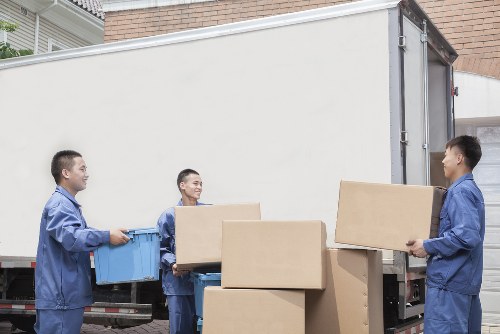 Training is a central requirement of this health and safety policy for France removals. Workers must receive instruction appropriate to their role, including safe lifting, hazard recognition, equipment use, loading methods, and incident reporting. New starters should not undertake hazardous tasks without supervision until competence has been confirmed. Ongoing refresher training helps maintain consistent standards and reinforces safe behaviour.
Supervisors are expected to monitor working practices and correct unsafe actions promptly. They should also make sure that planning is realistic and that staffing levels are suitable for the demands of the job. Fatigue, time pressure, and poor coordination can increase risk, so the work must be arranged in a way that allows safe performance rather than speed at the expense of control.
 We also expect everyone involved in France removals and relocation work to act responsibly regarding personal fitness, communication, and conduct. Anyone who is unwell, distracted, or unable to work safely must report this before taking part in the job. Clear reporting lines and open communication support early intervention and help stop minor issues becoming serious problems.
This policy will be reviewed regularly to make sure it remains effective and relevant to the services provided. Updates may be made following incidents, changes in equipment, changes in working methods, or operational feedback from internal reviews. The purpose is to keep safety arrangements practical, current, and aligned with the realities of removal work.
By applying these standards consistently, France removals can be carried out with a strong focus on protection, professionalism, and care. Every move should be approached with the same expectation: safe working comes first, and all tasks must be completed in a way that safeguards people, property, and operations.