Home Moves in France
If you are planning Home Moves in France, you are probably looking for a service that feels organised, local, and genuinely practical from start to finish. Moving home can be exciting, but it can also be one of the most demanding days in the calendar. Between access issues, narrow streets, apartment stairs, lift bookings, parking restrictions, and the simple volume of things that need to be packed and transported, it helps to have a team that understands how moving works in France and how to make the day run smoothly.
Whether you are relocating within the same town, moving between departments, settling into a new house in the countryside, or shifting from an apartment in a city centre to a larger family property, the right removal service makes a noticeable difference. A local team can plan around property layouts, traffic patterns, residential rules, and the realities of French towns and villages. That means less stress for you, better protection for your belongings, and a move that feels more controlled.
Our approach to home moving in France is built around real customer needs: careful packing, safe lifting, reliable transport, and clear communication throughout the process. We also understand that every household is different. Some clients need help with a full family move; others need support with just the heavy items, or a flexible service for a second home, retirement relocation, or a change of region. Whatever your situation, the aim is the same: to make the move easier, safer, and more efficient.
Local Home Removals Tailored to French Property Types
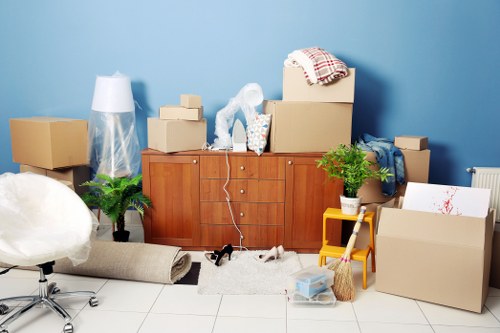
One of the biggest differences in France is the wide variety of property types. You may be moving from a modern apartment with a shared lift, a traditional stone house with uneven steps, a village property with limited street width, or a detached home in a suburban estate. Each setting brings its own access requirements, and a move that would be straightforward in one place can become complicated in another. That is why experience with French residential removals matters.
Apartment moves often require careful coordination with building managers, neighbours, and parking arrangements. In many city areas, the van may need to park some distance away, which means more carrying, more planning, and the need for the right equipment. In older buildings, staircases can be narrow or winding, and lifts may be too small for large furniture. A local moving team understands these realities and plans accordingly.
House moves in smaller towns and rural locations bring different challenges. Access roads can be tight, driveways may be shared, and in some areas the nearest suitable parking point is not right outside the property. We factor in these local conditions before moving day so that the process is not slowed down by avoidable surprises. This is especially useful for customers moving into renovated farmhouses, family homes on the outskirts, or properties with long private lanes.
What Is Included in a Home Move Service

A well-organised move is about more than simply transporting boxes from one address to another. A proper home moving service in France can include a range of practical tasks designed to reduce pressure on the day and keep your belongings secure. The exact level of support depends on your needs, but most customers look for a service that can cover packing, loading, transport, unloading, and placement of items in the new home.
Depending on the job, support may include:
- Packing and wrapping of fragile or valuable items
- Furniture disassembly and reassembly where needed
- Protective materials for mattresses, mirrors, artwork, and delicate surfaces
- Loading and unloading with proper lifting techniques
- Transport planning for local, regional, or long-distance moves
- Placement of furniture in the correct rooms at the destination
- Help with bulky items such as sofas, wardrobes, appliances, and office furniture
For many households, the most valuable part of the service is not just physical labour, but the structure it brings to the day. When everything has a place and a plan, the move becomes easier to manage. This is particularly important for families, older clients, and busy professionals who need their move handled with care and efficiency.
Why Customers Choose a Local Moving Team in France

There are many reasons people choose a local company for home moves in France rather than trying to manage everything themselves. Local knowledge is one of the biggest advantages. A team that works across French towns, suburbs, and rural areas is more likely to understand where parking can be arranged, what access issues are common, and how to time the move to avoid busy periods or local restrictions.
Another advantage is flexibility. Local removals teams often handle a mix of residential and commercial customers, which means they are used to different schedules, different building types, and different service needs. If you are moving from a townhouse in a city centre, a family home in a commuter area, or a commercial premises such as an office, showroom, or small workshop, a local service can adapt more easily than a one-size-fits-all approach.
It also helps to work with movers who understand the practical side of French life. Some properties have limited on-site storage; some buildings have shared entrances; some streets are busy during school runs or market days; and some areas require more careful route planning because of one-way roads, low bridges, or pedestrian zones. That kind of local awareness can save time and reduce avoidable disruption.
How Home Moves in France Usually Work
The moving process normally starts with an initial discussion about your property, the size of the move, and the type of help you need. This is the stage where you can explain whether you are moving a full household, a smaller flat, or just selected furniture and boxes. You can also mention anything that may affect access, such as stairs, parking distance, lift use, or items that need special handling.
From there, the move is planned around your schedule and the practical realities of the two addresses. If the job involves a city centre apartment, timing may need to take into account parking windows or lift reservations. If the destination is a rural house or a second property in another region, route planning becomes more important. For longer-distance moves, it is often useful to organise packing and loading in a way that makes unloading at the destination efficient and straightforward.
On moving day, the team arrives with the equipment needed to carry, protect, and transport your belongings. The focus is on working methodically, keeping items secure, and making sure the move stays organised. Once at the destination, furniture and boxes can be placed in the correct rooms so that unpacking is less overwhelming. The result is a move that feels structured rather than chaotic.
Moving Home Across Different Areas of France
France is a large and varied country, and the experience of moving can differ significantly from one region to another. A home move in a historic city centre can be very different from a move in a coastal town, a mountain area, or a suburban development. That is why it is useful to work with a company that understands a broad range of local conditions and can adapt to them.
In larger urban areas, customers often face issues such as apartment access, traffic congestion, and the need to coordinate parking for a removal vehicle. In smaller towns, access may be easier in some ways, but older streets and village layouts can still present challenges. In rural parts of France, distances between properties can be greater, and some homes have limited turning space or shared lanes. All of these details matter when planning a successful move.
We support moves in a wide range of settings, including city neighbourhoods, suburban districts, village centres, countryside properties, and mixed-use residential areas. If you are moving within the same region or crossing into another part of France, it helps to have a service that is comfortable with both short local removals and longer household relocations. The right local team makes the journey smoother at every stage.
Preparing for Your Move: Practical Checklist
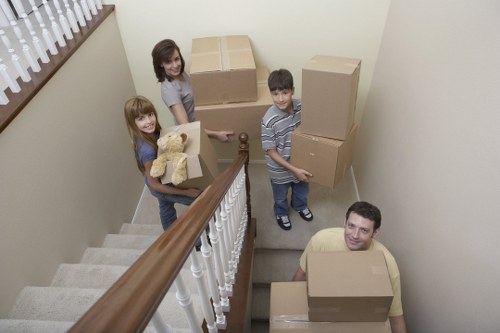
A little preparation makes a big difference on moving day. Even when you choose a full service, it is worth taking time to organise the household so that packing, loading, and unloading go more smoothly. The aim is not to make the process harder for yourself; it is to reduce last-minute confusion and help the moving team work efficiently.
Here is a practical checklist many customers find helpful:
- Sort rooms in advance so you know what is going, what is being stored, and what is being discarded.
- Pack non-essential items early to reduce the amount left for the final day.
- Label boxes clearly with room names and fragile contents where relevant.
- Keep important documents separately so they do not get mixed in with general household boxes.
- Measure larger furniture to check doorways, stairwells, and lifts at both properties.
- Reserve access where needed if your building or local area requires parking arrangements.
- Set aside essentials such as chargers, medication, basic toiletries, snacks, and a change of clothes.
If you are moving with children, pets, or elderly relatives, it is often useful to organise a quieter space for them on the day. That can make the whole process less stressful and allows the main move to proceed without unnecessary interruptions. Planning ahead also gives you a stronger sense of control, which is especially helpful if you are moving after a busy work period or at a time of year when travel is more complicated.
Pricing Factors for Home Removals in France
Many customers want to know what influences the cost of a home move before they request a quote. While exact prices depend on the specific job, there are a number of common factors that shape the overall service. Understanding these helps you compare options more confidently and choose a moving company that fits your needs.
Key pricing factors often include the size of the property, the amount of furniture and boxes, the distance between addresses, and the level of packing support required. Access can also affect the time needed for the job, especially if the move involves stairs, a long carry from the van to the door, or restricted parking. Special items such as large wardrobes, pianos, fragile antiques, or heavy appliances may need additional handling.
Other factors include timing, seasonal demand, and whether the move is local, regional, or long-distance. Moves involving multiple stops, storage, or complex coordination can require more planning than a simple point-to-point relocation. The best way to understand your options is to request a clear quote based on the real details of your move. That way, you can make an informed decision without guesswork.
Residential and Commercial Moves Across France

Although this page focuses on home moves in France, many of the same practical skills apply to small commercial relocations. A company that handles both residential and business moves is often well equipped to manage fragile equipment, structured packing, and efficient transport. This matters for customers who may be moving a home office, a small independent business, or a combined live-work property.
For residential customers, the priority is often comfort, care, and flexibility. Families want their items protected and their day kept as calm as possible. Retirees may need help with downsizing or moving into a more manageable property. Couples relocating for work may need timing that fits around travel and handover dates. Each case is different, and a good moving service should respect those differences.
For commercial customers, the priorities may shift toward minimising downtime, protecting equipment, and keeping the move efficient. The same attention to planning is useful in both situations. If you need help with a household move that also involves office furniture, storage units, or a small business space, a local removals team can often manage the transition more effectively than a general transport provider.
Why Careful Packing Matters
Packing is one of the most important parts of any move, and it is often the part customers underestimate. Boxes that are too heavy, fragile items that are not wrapped properly, and furniture that has not been protected can all create problems on moving day. Careful packing is not just about tidiness; it is about reducing risk and making the loading process more manageable.
Professional packing support is especially valuable for kitchens, glassware, artwork, electronics, and household items with unusual shapes. It also helps when customers are moving long distance or placing items into temporary storage. The better the items are packed, the easier they are to load, stack, and protect during transport. Well-packed belongings are far less likely to be damaged or delayed.
Some clients prefer a full packing service, while others only need help with selected fragile items or bulky pieces. Either way, the goal is to create a system that works for your household. If you are preparing your own boxes, use sturdy materials, avoid overfilling, and keep essential items easy to reach. A moving team can then focus on safe loading and transport rather than dealing with avoidable packing problems.
Furniture Handling, Dismantling, and Reassembly
Large furniture often creates the biggest challenges in a move. Sofas, beds, dining tables, wardrobes, desks, and shelving units can all be difficult to carry safely without proper planning. In many homes across France, furniture also needs to pass through narrow corridors, staircases, or door frames that make dismantling the smartest option.
Where needed, furniture can be taken apart before loading and put back together at the new property. This helps protect both the furniture and the property itself. It also makes it easier to move items through tight spaces, which is particularly useful in apartments, older houses, and homes with reduced access. If you have items that are especially large or awkward, mention them early so that the move can be planned around them.
Some items may also need extra care because of their material or finish. Gloss surfaces, glass doors, polished wood, and upholstered items can all mark easily if they are not handled properly. A moving team that uses protective blankets, wraps, and sensible carrying methods can reduce the chance of scuffs and impact during the process.
Areas Covered for Home Moves in France
Customers looking for home removals in France often want to know whether a service can handle both local and wider regional work. In practice, many moves involve more than one area: a city address and a village property, a town flat and a countryside home, or a relocation from one department to another. That is why flexibility matters.
Typical areas covered may include city centres, suburban districts, residential estates, village locations, coastal communities, inland market towns, and rural homes. Coverage can also extend to nearby business districts and mixed-use neighbourhoods where residential and small commercial customers need support. If your move involves a specific region or a combination of locations, it is worth discussing the route, access, and timing at the quotation stage.
Whether you are moving within the same commune or planning a longer relocation across France, a local team can help you work through the practical details. Customers often appreciate being able to talk through parking, timing, stair access, and property layout before the move. That level of planning makes the service more reliable and the day itself easier to manage.
What to Expect on Moving Day
Moving day can feel busy, but a clear plan makes it much more manageable. Usually, the day begins with a check of the items to be moved, the access points, and any special requirements. Then the loading phase starts, with larger items handled first and boxes arranged in a way that keeps them secure during transport. If there are fragile items or furniture with awkward dimensions, these are usually managed with extra care and attention.
Once everything is loaded, the team heads to the destination and begins unloading in an organised way. It helps if rooms are labelled or if you have a simple plan for where furniture should go. That way, beds can be placed in bedrooms, kitchen boxes can go where they are needed, and living room furniture can be positioned without repeated lifting.
The final stage is often the most satisfying, because the house starts to feel like home again. Instead of facing piles of unsorted belongings, you have a structured move that has already done much of the hard work for you. For many customers, that practical support is exactly what makes professional home moving worth it.
Frequently Asked Questions
Do you handle both local and long-distance home moves in France?
Yes, home moves can be arranged for local relocations, regional moves, and longer distances across France. The service is planned around the size of the job, access at both properties, and the timing you need.
Can you help with apartments and buildings with stairs?
Yes. Apartment moves are common, and they often require careful planning for stairs, lifts, and parking. If your building has specific access rules, it is best to mention them early.
Can I book help with just heavy items or furniture only?
Absolutely. Many customers do not need a full-house move and only want help with bulky items, fragile furniture, or selected rooms. Flexible support is often available for these situations.
What should I do before the move?
Start by sorting belongings, labelling boxes, and setting aside essentials. If possible, reserve parking or access space, and make sure any special items are mentioned before moving day.
How do I request a quote?
You can request a quote by sharing the details of your move, including the property type, access conditions, distance, and the level of service you need. Contact us today to discuss your move and request a free quote.
Choose a Service That Makes Moving in France Easier
When you are planning a move, you want more than a van and a pair of hands. You want a team that understands the realities of French homes, local access conditions, and the importance of careful planning. You also want a service that feels easy to organise, clear to understand, and practical on the day itself.
Whether you are moving from a studio apartment, a family house, a countryside property, or a mixed residential and business address, choosing the right team can save time and reduce stress. The best moving services are the ones that fit the realities of your home, your schedule, and your priorities. That is why a local approach is often the most effective choice.
If you are ready to move, request a free quote and speak with a team that understands home moves in France from a customer’s point of view. Book your service now and take the next step toward a smoother move.
Useful things to remember before booking
Before you confirm a move, it is worth checking your access details, estimated volume, and whether you need packing support or furniture handling. These details help the removals team prepare the right equipment and plan the right amount of time for the job.
Simple decision checklist
- Is your property easy to access?
- Do you need packing or just transport?
- Are there any fragile or oversized items?
- Will parking or street access need planning?
- Do you need support for a local, regional, or long-distance move?
Contact us today to discuss your requirements and arrange a move that suits your home, your schedule, and your location in France.