Movers in France: Local Moving Services for Homes and Businesses
If you are planning a move in France, you already know that it can be exciting, stressful, and full of small decisions that matter. From tight staircases in Paris apartments to hillside villas on the Côte d’Azur, from family homes in suburban Lyon to commercial premises in Marseille or Toulouse, every move has its own practical challenges. Choosing experienced movers in France can make all the difference when you want your belongings handled carefully, schedules respected, and the whole process kept as straightforward as possible.
Whether you are moving across town, to another region, or relocating your business premises, local moving support is valuable because it takes into account the real conditions on the ground: narrow streets, parking restrictions, lift access, building rules, and busy city traffic. A good removal team knows how to plan around these issues and how to adapt services for furniture, fragile items, office equipment, and long-distance transport. If you need a move in France that feels organised rather than overwhelming, the right team can help you prepare with confidence.
For homeowners, renters, landlords, property managers, and business owners alike, the priority is usually the same: reliable service, careful handling, clear communication, and a move that fits the property and the timeline. That is especially true in France, where properties range from modern flats to historic buildings, country houses, student studios, and retail spaces. If you are ready to plan ahead, request a free quote and start with a service that matches your situation.
Why People Hire Movers in France

Moving is rarely just about carrying boxes from one address to another. In France, it often involves handling difficult access, coordinating with building managers, protecting floors and walls, and moving items safely through older properties. Many local customers look for movers in France because they want a service that reduces physical effort and saves time while keeping belongings protected throughout the journey.
Professional movers are especially useful when you are working to a tight deadline, moving with children, managing a work relocation, or dealing with large furniture that cannot be easily dismantled and carried by one or two people. A local moving team can plan the logistics, bring the right equipment, and help avoid common moving-day problems such as traffic delays, parking issues, or damage during lifting.
Another reason people choose removal services is the peace of mind that comes from knowing the team understands local conditions. In urban areas, for example, a mover may need to work around limited curb space, elevator booking rules, shared entrances, or restricted delivery windows. In rural or coastal areas, the challenge may be long drives, narrow roads, or seasonal access concerns. A local company can adapt to those realities more effectively than a one-size-fits-all approach.
What a Local Moving Service Can Help With
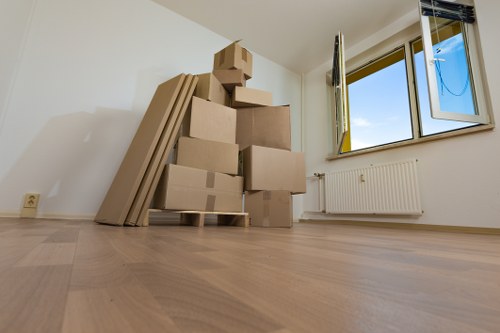
When customers ask what movers in France can actually do, the answer depends on the service level they choose. Some clients only need transport for a small apartment. Others need a full removal package that includes packing, dismantling, loading, transport, unloading, and furniture placement at the destination. A reliable team should be able to tailor the work to the type of property and the amount of help you need.
Common services often include:
- Home removals for apartments, houses, studios, and shared accommodation
- Office and commercial moves for shops, clinics, agencies, workshops, and corporate premises
- Packing assistance for fragile, bulky, or time-sensitive belongings
- Furniture disassembly and reassembly where needed
- Transport only for customers who have already packed everything
- Long-distance moves between French regions or across borders
- Special-item handling for artwork, mirrors, instruments, antiques, or heavy appliances
For many families and professionals, the real value is flexibility. You may only need help with the heavy lifting, or you may prefer full support from start to finish. Either way, the best movers in France will explain what is included, what preparation is recommended, and how to coordinate the move around your property and timing requirements.
Residential Moves Across France
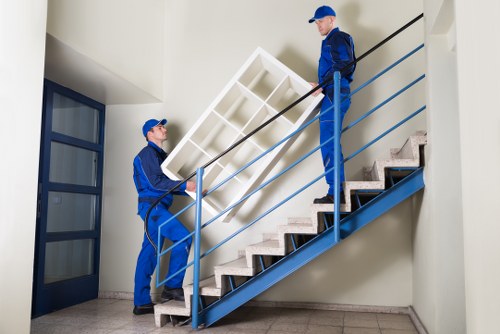
Home moves in France can look very different depending on the area. A compact Parisian apartment with narrow stairs and no lift requires a very different approach from a detached house in Normandy or a family home in the suburbs of Bordeaux. For this reason, customers often search for movers in France who understand residential access and can plan for the realities of the building and the neighborhood.
In apartment buildings, common concerns include stair width, lift size, shared hallways, floor protection, and the timing of move-in or move-out. In older buildings, door frames and turnings may be tight, making it important to measure furniture in advance. In newer developments, there may be rules for using service lifts or reserved parking bays. A local moving team should ask the right questions early so there are fewer surprises on the day.
For houses, the move might be easier in terms of access, but there can still be challenges such as garden paths, steep driveways, uneven surfaces, or a lack of parking close to the entrance. Residential movers should take into account the layout of the property, the volume of belongings, and the need to protect both the old home and the new one. If you are moving to or from cities such as Lyon, Lille, Montpellier, Nice, Nantes, or Strasbourg, local awareness can make the process smoother and faster.
Commercial and Office Moving Support
Keeping business disruption under control
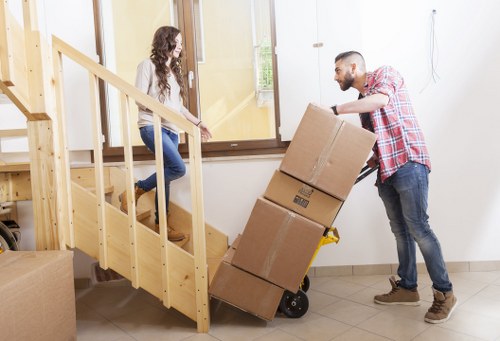
Business moves require careful planning because time away from normal operations can affect staff, customers, and revenue. That is why commercial clients often choose movers in France who can work to a structured schedule and coordinate around office hours, building access, and equipment handling requirements. Whether you are relocating a small office, a storefront, a clinic, or a larger workspace, the main goal is to keep disruption as low as possible.
Commercial removals often involve desks, filing systems, IT equipment, display units, stock, reception furniture, and specialist items that need careful labeling and placement. A good move team can help with packing, sequential loading, transport, and unloading in a way that keeps categories separate and makes the new setup easier. In many cases, business customers also appreciate clear planning for lifts, loading zones, and the building’s internal rules.
For retail or service businesses in busy areas, access can be a major issue. Streets may be narrow, parking may be limited, and loading times can be short. In industrial or out-of-town locations, the size and weight of items may be the bigger concern. Local movers in France who understand these differences can help businesses relocate with fewer delays and less stress. If you are planning a business move, contact us today to discuss the practical requirements of your site and schedule.
Areas Covered in France
Urban centers, suburbs, coastlines, and regional routes

France is large and varied, and that is one of the reasons local moving knowledge matters so much. A move in central Paris is not the same as a move in the suburbs of Toulouse, a village in Provence, or a coastal property near Biarritz or La Rochelle. Customers often need movers who can handle both short local removals and longer regional journeys, depending on where they are going and what needs to be transported.
Service areas may commonly include major cities, surrounding suburbs, commuter towns, and regional connections between departments. For example, a move may involve navigating the Île-de-France area, reaching homes in the Alpes-Maritimes, or transporting business equipment between cities in Occitanie or Auvergne-Rhône-Alpes. Even when the destination is not far away in kilometers, the journey can still require careful timing because traffic, access restrictions, and local building rules vary widely.
Local movers are also helpful when you need support in mixed-access locations such as hillside villages, holiday properties, gated residences, and older town centers. In these places, parking near the entrance may be difficult, and the team may need to use hand trucks, protective coverings, or staged loading plans. If you are unsure whether your area is covered, it is worth asking early and providing as much detail as possible about the property and access points.
How the Moving Process Usually Works
From the first enquiry to moving day
The process of booking movers in France is usually easier when you know what to expect. While each company may work differently, a standard approach often begins with an enquiry, followed by a discussion of the property, the volume of items, access conditions, and the dates involved. This helps the moving team understand the likely workload and prepare the correct vehicles and equipment.
After the initial conversation, many customers receive a quote based on practical details such as distance, amount of furniture, number of staff required, and any extra services like packing or dismantling. Once the move is booked, the team may provide preparation advice so that you can label boxes, separate valuable items, and organize anything that needs special handling. On moving day, the team arrives ready to load, transport, and unload according to the agreed plan.
In many cases, the unloading process is just as important as the loading. It can be helpful to direct the team on where key furniture should go, especially if you want bedrooms, office desks, or storage items placed in specific rooms. Good communication before and during the move can save time and reduce confusion. Book your service now if you want to secure a moving date and start planning with confidence.
What Affects Moving Costs in France
Understanding the factors that shape a quote
People often want a clear price early on, and while exact figures depend on the move, there are common factors that influence cost. Movers in France usually consider distance, property access, the amount of belongings, the number of movers needed, the time required, and any extra services that may be involved. Understanding these factors can help you compare quotes more fairly and avoid surprises later.
Some of the main cost factors include:
- Distance between the pickup and destination addresses
- Property type, such as apartment, house, office, or retail unit
- Access conditions, including stairs, lifts, parking, and loading distance
- Volume and weight of items being moved
- Packing requirements if the team is handling wrapping or boxing
- Special handling for fragile, oversized, or valuable pieces
- Timing needs, such as weekends, busy seasons, or narrow moving windows
It is also important to remember that a lower quote is not always the best value if it does not account for the full scope of the job. A proper moving service should be transparent about what is included so you can make an informed decision. If you have a difficult access property, mention it early. That gives the company a chance to plan accurately and reduces the chance of last-minute changes.
What Is Usually Included in a Professional Move
Services that make the day easier
When customers compare movers in France, they often want to know what is actually included in the service. While packages vary, many professional removals are built around the same core tasks. The aim is to save you time and physical effort while making sure your belongings are handled with care from the start of the move to the end.
Depending on the service level, you may be able to expect:
- Initial assessment or discussion of moving requirements
- Loading plan based on access, item type, and priority pieces
- Protective handling for furniture and fragile belongings
- Careful loading into the moving vehicle
- Transport to the new address
- Unloading and placement in designated rooms or zones
- Optional disassembly and reassembly where required
- Optional packing support and materials advice
Not every move requires full-service support. Some customers want only the transport element, while others want help at every stage. A good local provider should explain the differences clearly so you can choose the version that fits your budget, schedule, and comfort level. If you are moving fragile household goods, office files, or bulky furniture, it is usually worth asking about extra protection and handling options.
How to Prepare for a Move in France
A practical checklist for customers
Preparation can make a big difference to how smoothly moving day goes. Even if you hire professionals, a few simple steps beforehand can help reduce stress and make the process more efficient. The aim is not to do everything yourself, but to organize what matters so the movers can work effectively.
Useful preparation steps include:
- Confirm the move date and access details for both properties
- Reserve parking or loading space where needed
- Measure large furniture, doorways, and stair access
- Pack non-essential items in advance
- Label boxes by room and priority
- Separate valuables, documents, and personal items
- Defrost and clean appliances if they are being moved
- Notify building managers if advance notice is required
It is also useful to keep a small personal bag for essentials such as keys, chargers, medication, documents, and basic toiletries. Many people underestimate how useful this can be during the first 24 hours after a move. Planning a little now can save time, money, and frustration later. If you are unsure how much prep is needed, ask the mover what they recommend based on your property and inventory.
Why Choosing a Local Company Matters
Real benefits for local customers
There are many reasons people prefer local moving companies when looking for movers in France. A local team is more likely to understand the roads, access points, and building styles in your area. That practical knowledge can save time on moving day and reduce the risk of delays caused by parking problems or poor planning.
Local companies are also better placed to handle region-specific situations. In older towns, you may have to deal with historic streets, tight bends, and buildings without modern lifts. In newer suburbs, the challenge might be gated access, apartment block rules, or estate layouts. In smaller communities, long access drives or limited service availability may affect scheduling. A local mover can take these differences seriously rather than treating every move the same way.
For many customers, a local service also feels more personal. You are more likely to get practical answers based on the type of property you actually have, not generic advice that ignores local conditions. Choose movers who understand France’s variety of homes and commercial spaces so your service is built around real circumstances rather than assumptions.
Moving Challenges That Are Common in France
What local movers prepare for
France offers beautiful places to live and work, but many of its properties come with moving challenges. Apartments in city centers often have narrow staircases or limited lift access. Older buildings may have uneven floors or fragile walls that need protection. In some neighborhoods, parking near the property is difficult or heavily restricted. These factors can turn a simple move into a complicated one if they are not planned properly.
There can also be challenges related to climate and geography. In the south, summer heat may make scheduling and carrying heavy items more demanding. In mountain or hillside locations, road access and gradients can affect the loading process. On the coast, seasonal traffic or tourism pressure may influence timing. Movers in France who understand these conditions can prepare accordingly and recommend practical solutions.
Commercial customers face their own version of the same problem. They may need to move stock during limited opening hours, transport valuable equipment safely, or coordinate with landlords, building managers, and staff. The ability to anticipate common issues is one of the main reasons customers look for experienced local movers rather than trying to manage everything alone.
Choosing the Right Movers in France
Questions worth asking before you book
When you are comparing removal services, it helps to ask questions that reveal how the company works in practice. You want a moving team that is responsive, clear, and equipped for the type of job you need. The right questions can help you avoid misunderstandings and choose a service that suits your property and priorities.
Before booking, consider asking:
- What does the service include?
- Have you handled similar property types or access conditions?
- Can you help with packing, dismantling, or heavy items?
- How do you handle fragile belongings?
- What information do you need to provide an accurate quote?
- What should I prepare before moving day?
- How do you plan for parking or access restrictions?
A trustworthy company should be able to answer these questions clearly and without pressure. Clear communication before the move is often the best sign of a smooth moving day. If you want a practical, customer-focused service, ask for a quote and discuss the details early rather than waiting until the last minute.
Frequently Asked Questions
Common customer questions about moving services
Do movers in France help with apartments that have no lift?
Yes, many moving teams regularly work in buildings without lifts. It is important to mention the floor level, stair width, and any access concerns when requesting a quote so the company can plan the right team and equipment.
Can I book help for just part of the move?
Often, yes. Some customers only need loading and transport, while others want full packing and unloading support. Many removal services can adapt to your needs, so it is worth asking about partial-service options.
What if I am moving between different regions in France?
Long-distance moves are common. A local company can usually arrange regional transport and help you schedule the move around your preferred dates. The key is to provide accurate information about both addresses and the amount of goods being moved.
Do commercial moves require special planning?
They usually do. Business moves often involve equipment, access coordination, and limited downtime. If you are relocating an office, shop, or professional practice, give the mover as much detail as possible about timing, stock, and building access.
How far in advance should I book?
It is usually best to book as early as possible, especially during busy periods or if your move involves difficult access, a large volume of items, or a fixed completion date. Early booking gives the team more time to plan properly.
Why This Service Suits Real Local Needs
Practical help for families, tenants, and businesses
People searching for movers in France are often dealing with a specific situation rather than a simple change of address. You may be upsizing to a larger family home, downsizing after retirement, moving closer to work, opening a new branch, or relocating a rental property after a tenancy ends. Each of these situations requires different planning and different levels of support.
The best moving service is one that fits real life. That means being able to handle fragile items, respect building access rules, manage difficult parking, and work in a way that fits the schedule you already have. It also means being honest about the preparation required and giving useful advice rather than vague promises. Customers appreciate a team that understands the stress of moving and makes the process feel manageable.
If you are comparing options, look for movers who are flexible, communicative, and comfortable with both residential and commercial work. Request a free quote today and take the first step toward a move that is organized, practical, and suited to your property in France.
Final Thoughts Before You Book
Plan early, keep details clear, and choose local experience
Moving does not have to be chaotic. With the right preparation and a dependable moving team, it can be a well-managed transition into your new home or business space. When you choose movers in France who understand local streets, property layouts, and access challenges, you are choosing a service that is designed around real-world conditions.
Whether you need help with a small apartment, a family house, an office relocation, or a longer regional move, the most important thing is to share accurate details early. That includes the type of property, the floor level, the parking situation, special items, and your preferred moving date. The more information you provide, the easier it is for the team to help effectively.
Contact us today to discuss your move, ask questions, and request a free quote. If you are ready to move ahead, book your service now and make your move in France simpler from the very beginning.