Office Removals in France
Office removals in France require careful planning, local know-how, and a move process that keeps your business running with as little disruption as possible. Whether you are relocating a small professional practice, a growing agency, a retail office, or a multi-floor corporate workspace, the right removal service can make a major difference to your schedule, your staff, and your equipment.
France presents a wide variety of moving conditions: compact city streets in Paris, Lyon, Marseille, Lille, Bordeaux, Toulouse, Nantes, or Nice; business parks on the edge of urban areas; historic buildings with narrow stairwells; and mixed-use commercial premises where access is limited. A local team understands these realities and can plan around them from the start. That means better vehicle choices, smarter loading plans, more suitable timing, and fewer surprises on moving day.
From the first visit to the final placement of desks and chairs, a professional office move should feel structured and practical. The aim is simple: protect your furniture, IT equipment, documents, and downtime while making the transition into your new premises as smooth as possible. If you are preparing for a move and need a reliable local team, request a free quote and start planning with confidence.
Why businesses choose office removals in France

Every business move is different, but the same priorities tend to come up again and again: safety, speed, organisation, and continuity. When companies look for office removals in France, they are usually not just moving furniture. They are moving workstations, network equipment, storage cabinets, confidential files, meeting room setups, and sometimes specialist items such as printers, plotters, archive systems, or reception fittings.
Local service matters because the moving environment in France can change significantly from one area to another. In central districts, loading bays may be limited and time-restricted. In older buildings, lifts may be small or unavailable. In business parks, access roads and parking rules may need advance coordination. A team familiar with these conditions can plan the move around them instead of reacting on the day.
Another reason companies prefer local office removal support is communication. When your workplace is on a tight schedule, you need clear timings, sensible advice, and a move plan that fits your building, your staff, and your operating hours. That is especially useful for organisations that want to relocate outside office hours, over a weekend, or in stages to reduce interruptions to daily work.
What is included in an office removal service
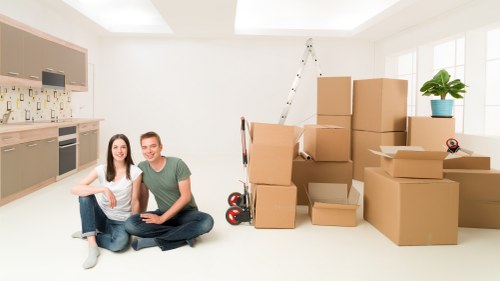
A professional office moving service normally covers much more than transport alone. The exact scope will depend on your business, but a good local provider will usually help with planning, packing, dismantling, loading, transport, unloading, and placement at the new site. For customers arranging office removals France wide, the value is in the coordination as much as the vehicles and labour.
Typical services may include:
- Pre-move planning and site assessment
- Furniture dismantling and reassembly
- Packing support for files, supplies, and equipment
- Protective wrapping for desks, screens, and fragile items
- Labelled load planning for easier setup at destination
- Transport between offices, branches, or warehouses
- Unloading and placement in the correct rooms or zones
- Coordination with building access rules and lift use
Some moves also require specialist handling for archive rooms, server cabinets, laboratory furniture, medical offices, design studios, or showroom displays. In those cases, careful preparation is essential. A reputable team will ask the right questions early, so there are no delays when the move begins.
Not every office needs the same level of support. A small team may only need transport and basic lifting help, while a larger workplace may need full move management with staged packing and out-of-hours work. The best solution is the one that matches your operations and budget without creating unnecessary disruption.
Types of customers we help across France
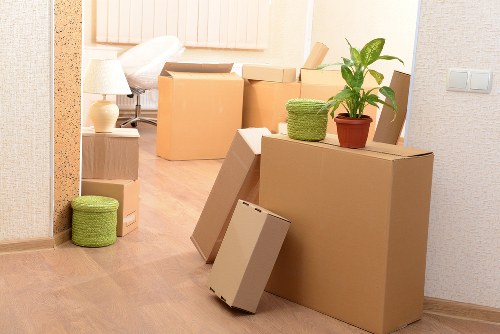
Office moves in France are needed by a wide range of customers. Some are relocating a single administrative office. Others are expanding to a larger floor in the same city. Some are moving entire departments, while others are merging sites or setting up a new branch. Whatever the reason, each move needs a clear plan and a team that understands commercial priorities.
We commonly support:
- Small businesses and independent professionals
- Start-ups moving from shared space to dedicated offices
- Consultancies, agencies, and creative studios
- Retail head offices and back-office teams
- Medical, legal, finance, and administrative practices
- Industrial and logistics office units
- Multi-site companies relocating departments or satellite teams
Residential and mixed-use customers also benefit from office removals when a home office or professional workspace needs to be moved. This is common in apartment buildings, townhouses, and converted properties where access can be awkward and care is needed to protect shared spaces. In those cases, a well-organised move reduces stress for both the customer and the building management.
When your move includes staff workstations, archive materials, or business-critical equipment, it is worth choosing a provider that understands how commercial operations work. Book your service now if you want practical help arranging a move that fits your timetable.
Common office move challenges in French towns and cities

France offers many advantages for business, but it also brings specific moving challenges. City centres often have traffic restrictions, loading zones, pedestrian areas, and delivery windows that need to be respected. In places such as Paris, Marseille, Nice, Lyon, Montpellier, Strasbourg, and Toulouse, access planning can be just as important as the move itself.
Historic buildings may have staircases that are too narrow for large items, while modern office towers can involve loading dock access, security passes, and restricted lift bookings. In suburban business zones, parking may be easier, but long walking distances from vehicle to entrance can still slow the move if the route is not planned properly. Weather, roadworks, local events, and holiday periods can also affect timing.
That is why office removals in France are best handled by a team that has worked in different property types and understands what to expect. French office buildings can range from renovated older premises to contemporary co-working spaces, industrial units, and upper-floor suites above commercial streets. Each one has its own logistics.
Useful local knowledge can save time. For example, knowing how to coordinate with building managers, where parking is easiest to secure, or when it is better to move outside peak hours can prevent avoidable delays. This is especially valuable when a business has to keep operating during the transition.
How the office removals process usually works

Most office removals follow a similar sequence, even when the details change from project to project. A clear process helps everyone know what will happen and when. That means fewer surprises for staff and less risk to furniture, IT, or important paperwork.
Here is a typical move process:
- Initial discussion — You explain the size of the move, the locations involved, and any timing restrictions.
- Site review — The mover considers access, parking, stairs, lifts, and loading conditions.
- Move plan — Items are grouped by department, room, or priority so placement is easier at the destination.
- Packing and preparation — Boxes, labels, wrap, and protection materials are used where needed.
- Dismantling — Workstations, tables, and shelving may be taken apart for safer transport.
- Loading and transport — The team loads carefully to reduce damage and maintain order.
- Unloading and setup — Furniture and equipment are placed in the correct areas, ready for use.
For many businesses, the best approach is a phased move. This means the relocation happens in stages, perhaps by department or floor, so that part of the office remains operational while the rest is moved. That can be especially helpful for customer-facing teams, busy administrative departments, and firms with tight deadlines.
Contact us today if you want advice on whether a phased move, out-of-hours move, or full-day relocation would suit your business better.
What makes a local office removal team useful
Choosing a local company for office removals in France is often the most practical decision because a local team can work with your building and your schedule more efficiently. They are more likely to understand the day-to-day realities of moving in the region, from local traffic patterns to commercial loading rules and access limitations.
Local familiarity can help with:
- Route planning for urban and suburban areas
- Handling parking restrictions and short loading windows
- Arranging the move around office hours, trade hours, or building rules
- Managing tight access in older city buildings
- Supporting regional moves between towns, industrial zones, and nearby business parks
It also helps when your move involves more than one location. Many companies in France relocate between nearby towns or across a metropolitan area, such as from a city centre office to a business park on the outskirts. Having a team that knows how to navigate those routes and organise the timing can make the process far more efficient.
Preparation checklist for a smoother office move
Good preparation is one of the best ways to reduce stress. Even if your chosen removal team handles most of the heavy lifting, your internal preparation will help the day go more smoothly. A simple checklist keeps your staff informed and makes sure the move starts with fewer loose ends.
Before moving day
- Confirm the moving date, access hours, and any building rules
- Tell staff what they need to pack and label
- Back up important data and secure essential files
- Separate items that will move, stay, or be disposed of
- Identify fragile or high-value equipment that needs extra care
- Measure key furniture or equipment if access looks tight
- Arrange lift bookings, permits, or parking permissions if needed
On the day
- Keep a responsible contact available for questions
- Protect access routes, floors, and walls where necessary
- Make sure boxes are labelled by department or room
- Keep personal items and sensitive documents separate
- Check that new-site keys, codes, and access details are ready
A little preparation goes a long way. The more clearly items are organised before the crew arrives, the quicker the move can progress. This is especially useful for busy offices where staff need to get back to work without delay.
Office furniture, IT equipment, and document handling
Office removals are not only about moving tables and chairs. In modern workplaces, the most valuable items are often the ones that need the most care: computers, screens, printers, filing systems, and stored records. A reliable removal service should treat these items as priorities throughout the move.
Furniture may need to be dismantled, wrapped, and reassembled. This is often the safest way to move larger desks, boardroom tables, storage units, and reception counters. If the furniture is modular, it may also be possible to relocate it in pieces and rebuild it at the destination.
IT and electronic equipment should be handled with extra caution. Cables should be organised, screens protected, and devices packed in a way that reduces the risk of impact. If your business has server equipment or sensitive network infrastructure, it is wise to discuss the handling requirements well before the move.
Documents and archives may also need secure labelling and room-by-room placement. This is particularly important for firms in legal, medical, accounting, and administrative sectors. Even simple filing mistakes can create a lot of disruption later, so the move should be planned to keep records easy to trace.
Pricing factors for office removals in France
Many customers want to know what affects the cost of an office move. Exact pricing depends on the size of the job, the distance between locations, and the amount of labour and time involved. Rather than looking for a fixed number, it is usually better to understand the factors that shape the quote.
Common pricing factors include:
- Number of desks, chairs, cabinets, and other items
- Amount of dismantling and reassembly required
- Distance between old and new premises
- Access conditions at both buildings
- Parking restrictions or loading challenges
- Need for packing materials or specialist protection
- Out-of-hours or weekend scheduling
- Requirement for multiple trips or phased moving
Complex access can have a major impact. For example, moving from an upper-floor office in a narrow street is not the same as moving from a ground-floor business unit with direct vehicle access. The clearer the information you provide, the more accurate the quote is likely to be.
If you are comparing options, focus on what is included rather than just the headline figure. A well-planned service can save money in the long run by reducing downtime, protecting equipment, and helping staff return to work quickly.
Areas covered across France
Office removals in France can cover a wide variety of locations, from large urban centres to smaller towns and surrounding commercial districts. Many customers move within the same city, but regional relocations are also common, especially where businesses are expanding, consolidating, or changing premises to suit staff and operations better.
Areas often served include major cities such as Paris, Marseille, Lyon, Toulouse, Nice, Nantes, Strasbourg, Montpellier, Bordeaux, Lille, Rennes, Reims, Saint-Étienne, Grenoble, Dijon, and their surrounding suburbs and business zones. Services may also be useful in coastal towns, airport business corridors, university districts, and industrial estates where office units form part of a larger commercial site.
For customers moving between nearby communes or departments, a local and flexible approach is especially valuable. French business locations can vary a lot even within a short distance, so the move plan should reflect the exact premises, not just the city name. Whether your office is in a modern park, a historic centre, or a mixed residential-commercial building, practical route and access planning make the relocation easier.
Residential and home-office moves with a business focus
Not every office move involves a large corporate building. Many customers in France work from home offices, shared professional rooms, studios, or converted apartment spaces. These moves still need the same care as larger commercial removals, especially when there are computers, specialist furniture, or important documents involved.
Home-based professionals often need help with items such as:
- Desks, shelving, and office chairs
- Computers, monitors, and accessories
- File boxes, printers, and small storage units
- Meeting furniture or client-facing display pieces
- Artwork, samples, or presentation materials
In apartment blocks and townhouses, access can be just as challenging as in a city office. Shared stairwells, limited lifts, narrow entrances, and parking constraints can all affect the move. A local removal team can work around these issues and protect the property as well as the items being moved.
How to choose the right office removals provider
When arranging office removals in France, it helps to choose a company that can do more than simply lift and transport items. You need a provider that asks practical questions, understands your building constraints, and can adapt the move to your business needs. That is especially important if you are dealing with tight deadlines or a move across several departments.
Look for a team that can clearly explain:
- How they plan around access and parking issues
- Whether they can handle dismantling and reassembly
- How they protect furniture, electronics, and floors
- What support is available for packing and labelling
- How they manage multi-floor or multi-site moves
- How they handle timing to reduce business disruption
It is also sensible to ask how the team works with building managers, lift bookings, and loading areas. Good planning is often the difference between a stressful move and a straightforward one. If your business needs an organised, professional relocation, request a free quote and discuss your project in detail.
Frequently asked questions
How far in advance should I book an office move?
It is usually best to book as early as possible, especially if your office is in a busy city area, if you need weekend timings, or if your building has strict access rules. Early planning gives more flexibility for surveys, packing arrangements, and coordination with staff.
Can office removals be done outside normal working hours?
Yes, many businesses prefer evening, overnight, or weekend moves to reduce disruption. This is often useful for customer-facing companies, shared buildings, and workplaces that cannot afford to close during the day.
What if my office has difficult access?
Difficult access is common in France, particularly in older buildings and busy city locations. Narrow streets, steps, lifts, and limited parking are all manageable with the right planning. Let the removal team know in advance so they can choose the correct equipment and schedule.
Can you help with packing and labelling?
Yes, packing support is often available and can be very helpful. Clear labelling by department, room, or workstation makes the move more efficient and helps staff settle in faster after arrival.
Do you move IT and office electronics?
Most office removal services can handle standard IT equipment with care, but specialist servers or sensitive systems may need extra preparation. It is important to discuss these items early so the right handling approach can be planned.
What size of business can use office removals in France?
Moves can be arranged for very small offices, home workspaces, medium-sized companies, and larger commercial premises. The service should be scaled to the size of the job, not the other way around.
Ready to plan your office move?
If your business is preparing for a relocation, having the right support in place can save time, reduce stress, and help protect the items that matter most. Office removals in France work best when they are planned carefully, handled by a local team, and scheduled around the realities of your building and your working day.
Whether you are moving within the same town, across a metro area, or between nearby departments, the key is a clear process and a move plan that fits your needs. From access planning and packing to transport and setup, the right service can make your move feel manageable from start to finish.
Contact us today to discuss your office relocation, request a free quote, and take the next step toward a smoother business move. Book your service now if you want a practical, local solution for your office move in France.
Helpful final note
Every office move is different, so the best results come from sharing as much practical detail as possible at the start. Floor level, parking, access hours, furniture type, and the amount of packing required all help shape a move plan that works for your business.
Moving tip
Label early, pack carefully, and plan access in advance. Those three steps alone can make a noticeable difference to how smoothly the relocation runs.